What Makes a Will Legally Valid in Florida?
What Makes a Will Legally Valid in Florida?
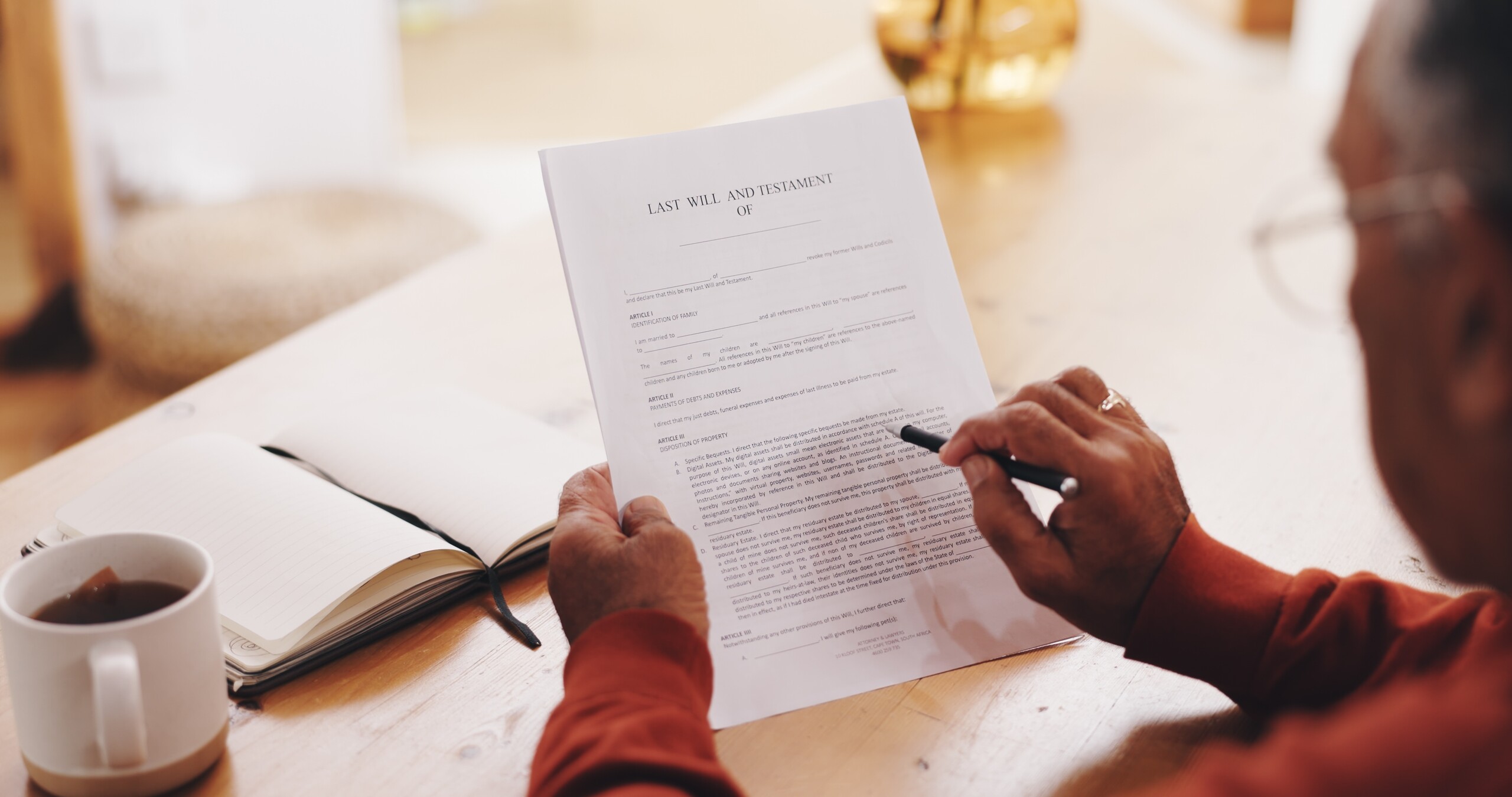
A will is legally valid in Florida only if it meets strict requirements for execution, witnesses, and mental capacity. Otherwise, it can be rejected entirely during probate. While many people assume that simply writing down their wishes is enough, Florida law requires precise steps to ensure those wishes are enforceable.
Understanding these requirements can help you avoid common mistakes that cause even well-intentioned wills to fall apart in court.
Key Takeaways About Valid Wills in Florida
- Florida law requires specific formalities for a will to be valid
- A will must be signed by the testator and witnessed by two people
- Witnesses must follow strict signing procedures
- The person creating the will must have the required legal capacity
- Even small execution errors can invalidate a will
- A properly prepared and executed will help ensure your wishes are honored
The Legal Requirements for a Will in Florida
Florida law outlines clear rules for creating a valid will. These requirements are found in Florida Statutes § 732.502 and must be followed carefully.
To make a will valid in Florida:
- The will must be in writing
- The testator (the person making the will) must sign the document
- Two witnesses must be present during signing
- The witnesses must also sign the will in the proper manner
These steps may sound simple, but the details matter. Courts will closely examine whether each requirement was satisfied if anyone contests the will’s validity.
Witness Requirements in Florida Wills
One of the most important aspects of signing a will in Florida is the role of witnesses.
Who Can Serve as a Witness?
Florida law does not prohibit beneficiaries from acting as witnesses, but doing so can create complications. It is generally recommended to use disinterested witnesses—people who are not named in the will.
How Witnesses Must Sign
For a will to be valid:
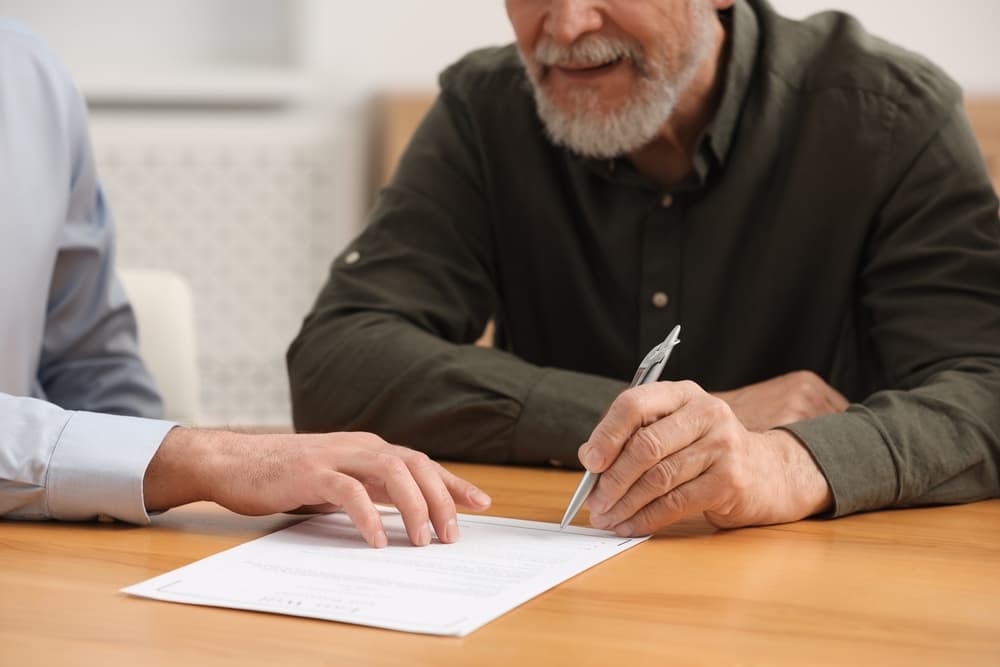
- The testator must sign in the presence of both witnesses
- The witnesses must sign in the presence of the testator and each other
This is where many mistakes occur. If the witnesses are not present at the same time, or if the signing order is incorrect, the will may be challenged.
Why Witness Formalities Matter
Witnesses help confirm that:
- The testator signed the document voluntarily
- The testator appeared to understand what they were signing (had the required legal capacity)
- The will reflects the testator’s intentions
If these formalities are not followed, the court may question the validity of the will.
Understanding Testator Capacity
In addition to proper signing procedures, the person creating the will must have legal capacity, also known as testamentary capacity.
This means the testator must:
- Understand that they are creating a will
- Know the general nature of their assets
- Recognize the people who would typically inherit their property
Capacity is evaluated at the time the will is signed.
What Can Lead to Capacity Challenges?
A will may be challenged if there are concerns about:
- Cognitive impairment or memory issues
- Serious illness affecting mental clarity
- Undue influence from another person
If a court determines that the testator lacked capacity, the will may be invalidated.
The Role of a Self-Proving Affidavit
While not strictly required, most Florida wills include a self-proving affidavit.
This document:
- Is signed by the testator and witnesses before a notary
- Confirms that proper procedures were followed
- Allows the will to be admitted to probate without requiring witness testimony
A properly executed self-proving affidavit can make the probate process more efficient and reduce the likelihood of disputes. However, if the affidavit is not completed correctly, it may not provide these benefits.
Common Mistakes That Can Invalidate a Will

Some wills fail not because of what they say, but because of how they were executed. Some of the most common errors include:
- Not having both witnesses present at the same time
- Improper signing order or missing signatures
- Using online templates that do not comply with Florida law
- Failing to include a self-proving affidavit or executing it incorrectly
- Ambiguous or unclear language in the document
- Signing the will under questionable circumstances
These mistakes can lead to delays, disputes, and even the complete rejection of the will during probate.
What Happens If a Will Is Not Valid?
If a will is found to be invalid, it is treated as though no will exists at all. This means the estate will be distributed according to Florida’s intestate succession laws. The court—not the testator—determines who inherits the assets.
This can result in:
- Loved ones receiving less than intended
- Certain individuals receiving nothing
- Increased risk of family conflict
- Additional legal costs and delays
Ensuring that a will is valid can protect your wishes and your family. When you work with an experienced Coral Gables will lawyer, you can rest assured that your wishes will be respected.
Why Execution Matters as Much as Content
Many people focus on what their will says, basically, who gets what, and how assets are divided. While this is important, the execution process is just as critical.
A perfectly written will can still fail if:
- The signing procedure was incorrect
- Witness requirements were not met
- There are questions about legal capacity or undue influence
Florida courts prioritize legal compliance. Without it, the contents of the will may never be enforced.
Learn how Florida’s inheritance laws could impact your family’s future and why having a plan in place is so important.
FAQs About Valid Wills in Florida
Can a will be valid if it is not notarized in Florida?
A will does not need to be notarized to be valid in Florida. However, a self-proving affidavit signed before a notary can simplify the probate process and help avoid the need for witness testimony.
Can I sign my will at home in Florida?
Yes, but all legal requirements must still be followed. The testator and both witnesses must be present together, and the signing process must meet Florida’s formal standards.
What happens if one witness signs later than the other?
If the witnesses do not sign in the proper manner or at the appropriate time, the will may be challenged. The signing process must comply with Florida law to ensure validity.
Can a will be valid if it is signed electronically?
Florida has specific rules regarding electronic wills, and traditional wills generally require physical signatures and witnesses. Electronic execution may not meet standard requirements unless all legal criteria are satisfied.
Does a lawyer need to be present when signing a will?
A lawyer is not required, but having legal guidance can help ensure that all requirements are met and reduce the risk of errors that could invalidate the will.
Trust the Team at The Estate Plan to Help Ensure Your Will Is Valid
Creating a will is an important step, but ensuring it is legally valid is equally important. A document that does not meet Florida’s requirements may not protect your wishes or your family.
If you want to ensure your will is properly prepared and executed. The Estate Plan team can help guide you through the process. Contact us today at (305) 735-2689 to schedule a consultation and take the next step toward creating a plan that holds up when it matters most.
Related Posts










Have questions about how to get started on your estate plan or estate needs?
Have questions about how to get started
on your estate plan or estate needs?
Contact the experienced estate planning professionals at The Estate Plan
by calling us at (305) 677-8489.
Contact the experienced estate planning professionals at The Estate Plan by calling us at
(305) 677-8489.