Who Inherits If There’s No Will in Florida?
Who Inherits If There’s No Will in Florida?

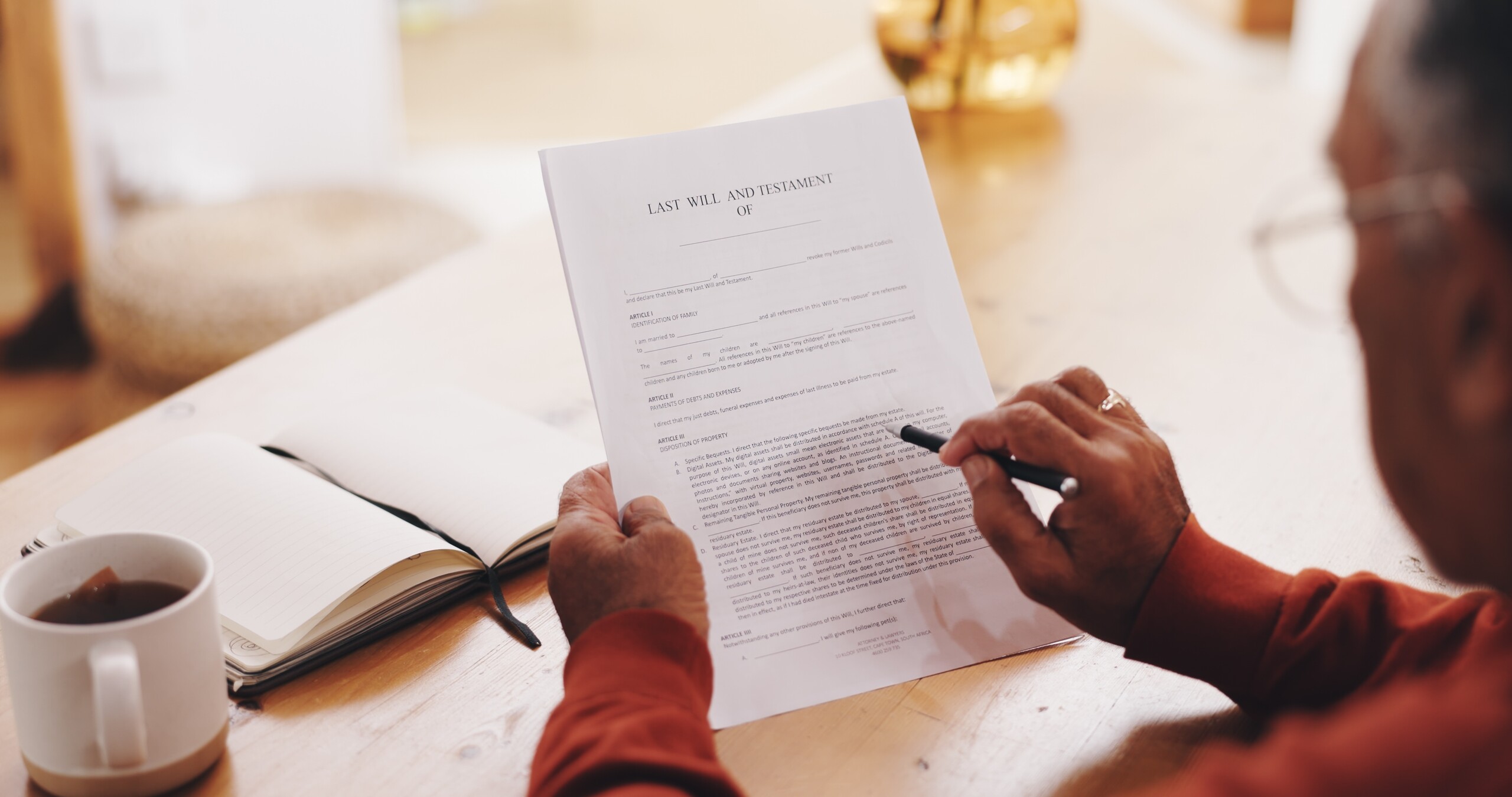
Many American adults do not have a will or estate plan in place. When a Florida resident dies without a valid will, state law determines who inherits property that passes through probate. This process, known as intestate succession, follows a statutory formula that may not reflect the deceased person’s intentions.
A Florida estate planning attorney can help families understand these laws and navigate the probate process when a loved one passes away without a will. If you are dealing with an intestate estate or want to avoid leaving your family in this situation, contact The Estate Plan for a free initial consultation to discuss available options.
Key Takeaways About Florida Intestate Succession
- Florida law determines inheritance when someone dies without a will, following a specific order that prioritizes spouses and descendants.
- Surviving spouses do not automatically inherit everything, and the share they receive depends on whether the deceased had children from other relationships.
- Creating a valid will remains the only way to control who inherits your property and in what proportions.
What Florida Law Says About Dying Without a Will
Florida Statutes Chapter 732 governs intestate succession by establishing a priority order of heirs based on familial relationships. These provisions determine how probate assets pass when a decedent dies without a valid will, subject to Florida’s homestead protections, exempt property provisions, and family protection laws.
The Surviving Spouse’s Share Under Florida Law
A surviving spouse’s inheritance depends on whether the deceased person had any descendants and whether those descendants are also descendants of the surviving spouse. When the deceased had no descendants at all, the surviving spouse inherits the entire estate.
The situation becomes more complex when the deceased has descendants. If all of the deceased’s descendants are also descendants of the surviving spouse, and the surviving spouse has no other descendants, the spouse inherits the entire estate.
However, if the deceased had children from a previous relationship, the surviving spouse inherits one-half of the intestate estate, and the remaining half passes to the deceased’s descendants.
How Descendants Inherit in Florida
Florida law defines descendants as children, grandchildren, great-grandchildren, and so on down the family line. When a deceased person leaves no surviving spouse, descendants inherit the entire estate. The distribution follows a per stirpes method, meaning descendants inherit by family line as defined by Florida statute.
When No Spouse or Descendants Survive in Florida
The inheritance hierarchy continues beyond immediate family when no spouse or descendants exist. Florida law looks to other relatives in a specific order.
Parents of the deceased inherit equally if both survive. If only one parent survives, that parent receives the entire estate. When no parents survive, the estate passes to siblings and their descendants using the same per stirpes distribution that applies to children.
The statute then extends inheritance rights to increasingly distant relatives. It moves from siblings to grandparents, then to aunts and uncles, and finally to cousins. This process follows the statutory order of inheritance until a qualifying heir is identified or the estate escheats to the state.
What Happens When No Heirs Exist
When Florida law finds no qualifying heirs, the estate escheats to the state of Florida. Escheat means the property becomes state property. This outcome is relatively rare because the law reaches so far into extended family relationships before declaring an estate without heirs.
Assets That Pass Outside of Florida Intestate Succession
Not every asset a person owns goes through intestate succession or probate. Several types of property transfer automatically upon death, regardless of whether a will exists.
Understanding which assets pass outside of probate helps families plan effectively and also clarifies what property remains subject to intestate succession laws. The following types of assets typically avoid probate entirely:
- Jointly held property with rights of survivorship, including bank accounts, real estate, and investment accounts held as joint tenants
- Life insurance policies, retirement accounts, and payable-on-death accounts with named beneficiaries
- Property held in a living trust that was properly funded during the deceased person’s lifetime
- Real estate held as tenants by the entirety, which automatically transfers to the surviving spouse
These non-probate transfers occur automatically based on the terms of the account agreement, beneficiary designation, or property deed. When properly titled or designated, these transfers operate outside probate and are not controlled by a will or intestate succession.
Common Misconceptions About Florida Inheritance Laws
Many people misunderstand how Florida law distributes property when someone dies without a will. These misunderstandings often lead to disputes and unexpected results.
- The Spouse Inherits Everything: A surviving spouse does not always receive the entire estate. If the deceased had children from another relationship, those children share in the estate.
- Unmarried Partners Inherit: Florida intestate succession does not recognize unmarried partners, regardless of the length of the relationship. Only a will, trust, or beneficiary designation creates inheritance rights for a partner.
- All Children Inherit The Same: Children of the same generation usually inherit equal shares, but not all children qualify. Adopted children inherit the same as biological children, while stepchildren inherit only if legally adopted.
- Friends Can Inherit: Florida intestate law does not allow friends to inherit. Property passes only to qualifying family members unless a will or other estate planning document states otherwise.
The Probate Process for Intestate Estates in Miami-Dade County
When a person dies without a will in Miami-Dade County, the estate is handled through probate in the Eleventh Judicial Circuit Court. A family member or other interested party files a petition for administration, and because no executor is named, the court appoints a personal representative under Florida’s statutory order of preference. A Florida estate planning attorney can help ensure the correct procedures are followed from the outset.
Identifying Heirs
The court must determine the lawful heirs under Florida’s intestate succession statutes. This process may involve confirming family relationships, notifying known heirs, and publishing notice to unknown heirs, who have a limited time to assert their claims.
Paying Debts and Distributing Assets
Before any inheritance is distributed, the estate must satisfy valid creditor claims. Florida law prioritizes funeral expenses, administrative costs, and certain family allowances. After the court approves the final accounting, the personal representative distributes the remaining assets to heirs according to intestate succession law.
Why Working With a Florida Estate Planning Attorney Matters
Florida intestate succession laws apply a default inheritance scheme that may not reflect your wishes. Without a will, state law controls how property is distributed.
A valid will lets you name beneficiaries, set specific shares, appoint a personal representative, and choose a guardian for minor children. Working with a Florida estate planning attorney keeps these decisions under your control.
A will is especially important if you want to:
- Leave property to a partner, friend, or charity
- Direct distributions among children from multiple relationships
- Exclude a family member from inheritance
- Plan for a business after death
Putting your wishes in a legally valid will provides clarity for both you and your family.
How a Florida Estate Planning Attorney Helps Miami Families With Intestate Estates
The Estate Plan, a boutique estate planning firm based in Coral Gables, assists families throughout Miami-Dade County when a loved one dies without a will. Intestate estates often raise questions about rights and responsibilities. The firm offers clear guidance throughout the process.
Probate Administration for Intestate Estates
Administering an intestate estate involves filing probate petitions, identifying and valuing assets, notifying creditors, and distributing property under Florida law. The Estate Plan manages each stage, from court filings at the Richard E. Gerstein Justice Building to final distributions.
The firm also helps families avoid delays and disputes. Its Asset Alignment service determines which assets pass through probate and which transfer outside the process, often reducing costs and time.
Preventing Intestate Succession Through Estate Planning
In addition to handling intestate estates, The Estate Plan helps clients create wills, trusts, and related documents to avoid intestate succession. The firm offers 24/7 availability for urgent matters and operates as a paperless, cloud-based practice for efficient client communication.
FAQs for Florida Estate Planning Attorneys
What happens to a house when someone dies without a will in Florida?
A house titled solely in the deceased person’s name passes through intestate succession like any other probate asset. The surviving spouse and descendants inherit according to Florida law, and the estate may need to sell the property to divide its value among multiple heirs.
Do stepchildren inherit in Florida if there is no will?
Stepchildren have no inheritance rights under Florida intestate succession law unless the deceased legally adopted them. Only biological children, legally adopted children, and their descendants qualify as heirs under the statutory framework.
Contact a Florida Estate Planning Attorney Today
The uncertainty that intestate succession creates for families often compounds the grief of losing a loved one. Whether you need help administering an intestate estate or want to create a will that reflects your actual wishes, taking action now protects the people you care about most.
The Estate Plan serves families throughout Miami-Dade County, from Aventura to Homestead, with compassionate guidance through estate planning and probate matters. Contact The Estate Plan today for a free consultation and take the first step toward securing your family’s future.
Related Posts








Have questions about how to get started on your estate plan or estate needs?
Have questions about how to get started
on your estate plan or estate needs?
Contact the experienced estate planning professionals at The Estate Plan
by calling us at (305) 677-8489.
Contact the experienced estate planning professionals at The Estate Plan by calling us at
(305) 677-8489.