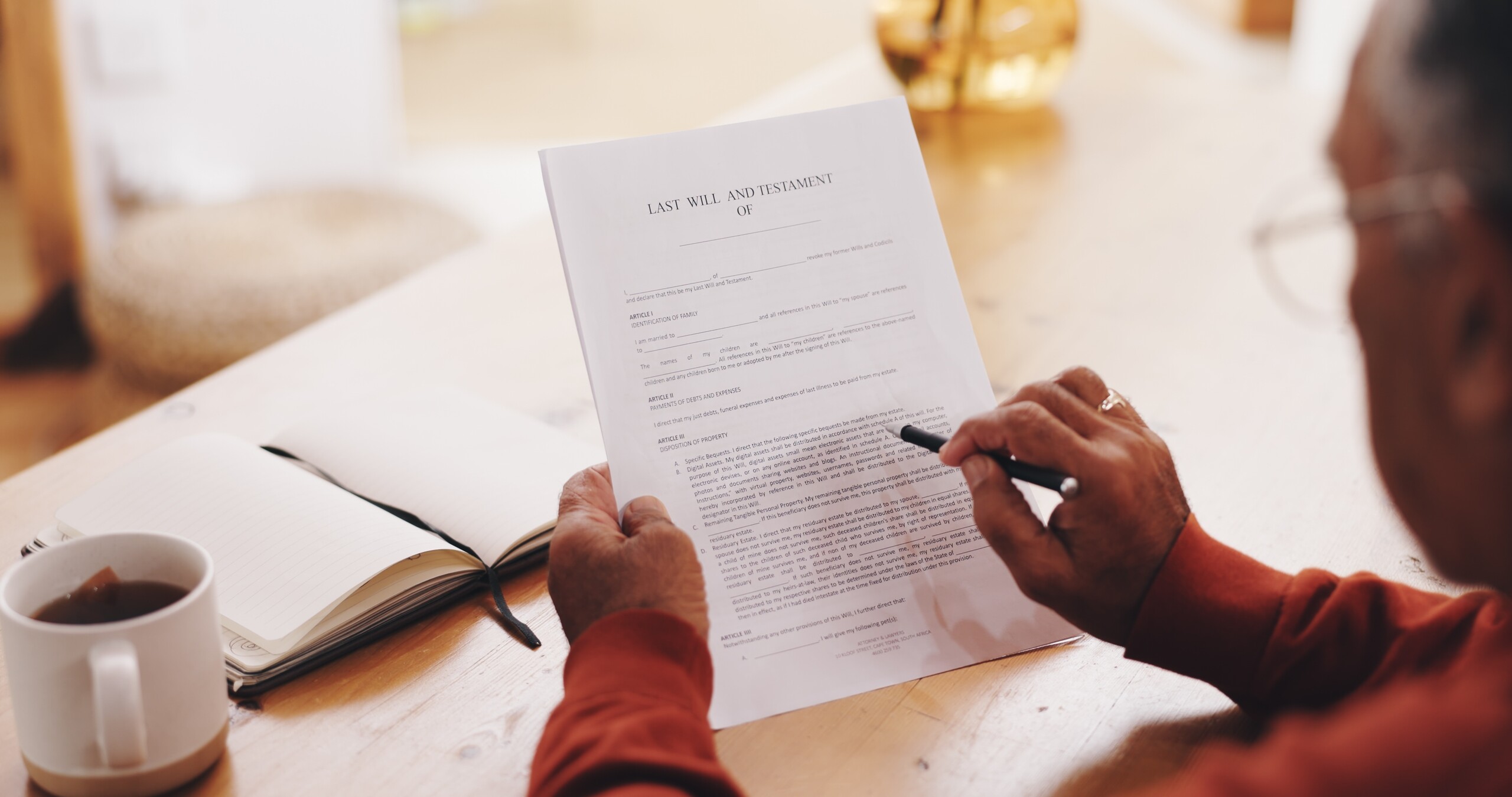
What Happens If You Die Without a Will in Coral Gables?
What Happens If You Die Without a Will in Coral Gables?

If you die without a will in Florida, the state—not you—decides who inherits your assets based on intestate succession laws. While this system may seem straightforward, it often leads to outcomes that do not reflect what you would have wanted for your family.
Many people assume that everything will automatically go to their closest loved ones. In reality, Florida’s laws follow a strict hierarchy that may exclude certain people entirely while giving others a larger share than you expected. Understanding how this works can help you see why even a simple will can make a meaningful difference.
Key Takeaways About Dying Without a Will in Florida
- Florida uses intestate succession laws to distribute assets when no will exists
- The court—not your family—decides how your estate is divided
- Spouses and children are prioritized, but the details depend on your family structure
- Unmarried partners and friends do not inherit under Florida law
- Blended families often face unexpected or unequal outcomes
- A valid will allows you to control who inherits your property
Understanding Intestate Succession in Florida
When someone dies without a will, they are considered to have died intestate. Florida’s intestacy laws then determine how the estate is distributed.
These laws are designed to follow a general assumption about family relationships, but they cannot account for personal circumstances, relationships, or intentions. Under Florida intestate succession laws, assets typically pass to:
- A surviving spouse
- Children or descendants
- Parents
- Siblings or extended family members
If no eligible relatives can be found, the estate may eventually pass to the state. This means all assets belong to the State of Florida, and your chosen recipients receive nothing.
Who Inherits Property Without a Will in Florida?
The answer depends largely on your family structure at the time of your passing. Florida law outlines specific scenarios that determine how assets are divided.
If You Are Married With No Children
Your surviving spouse typically inherits your entire estate.
If You Are Married With Children
This is where things can become more complicated.
- If all children are shared between you and your spouse, the spouse usually inherits everything
- If you or your spouse has children from another relationship, your spouse may receive only part of the estate, with the remaining portion going to the children
This can create unexpected financial outcomes and disputes, especially in blended families.
If You Are Not Married but Have Children
Your children inherit your estate, typically in equal shares.
If You Have No Spouse or Children
Your estate may pass to:
- Your parents
- Your siblings
- More distant relatives, depending on who survives you
The law follows a strict order, regardless of your personal relationships. Non-relatives are not protected by the intestacy laws of Florida.
What Happens to Your Assets Specifically?
Not all assets are treated the same when someone dies without a will.
Assets That Go Through Intestate Succession
These typically include:
- Property solely in your name
- Personal belongings
- Bank accounts without designated beneficiaries
Assets That May Pass Outside of Intestate Succession
Some assets may transfer automatically to a beneficiary, including:
- Life insurance with a named beneficiary
- Retirement accounts with designated beneficiaries
- Jointly owned property with rights of survivorship
Even so, many estates still include assets that must go through probate, where intestate laws will apply.
The Hidden Risks of Dying Intestate
While intestate succession provides a legal framework, it does not always produce fair or expected outcomes.
Blended Families Can Face Unexpected Results
If you have children from a previous relationship, your current spouse may not inherit your entire estate. Instead, assets may be divided between your spouse and children, which can create financial strain or conflict.
Unmarried Partners Are Not Protected
Florida law does not recognize unmarried partners as heirs under intestate succession. This means:
- A long-term partner may receive nothing
- Shared financial responsibilities may become complicated
- Housing arrangements may be disrupted
Estranged Relatives May Inherit
If you are not close with certain family members, they may still inherit some of your assets under Florida law simply because of their legal relationship to you.
Delays and Disputes Are More Likely
Without clear instructions in a valid will, families may face:
- Confusion about asset distribution
- Disagreements between relatives
- Longer probate timelines
These situations can add stress during an already difficult time.
Why Many People’s Wishes Are Not Reflected

One of the most common misconceptions is that the state will “figure it out” in a way that makes sense for your family. In reality, Florida’s intestate succession laws are based on a rigid formula. They do not consider:
- Personal relationships
- Verbal promises
- Emotional bonds
- Individual preferences
This means that the outcome may not align with what you would have chosen.
How a Will Changes the Outcome
Creating a valid Florida will allows you to take control of your estate and provide clear instructions for your loved ones. With a will, you can:
- Decide exactly who inherits your assets
- Choose someone you trust to manage your estate
- Provide for individuals who would not otherwise inherit
- Reduce the likelihood of disputes or confusion
Even a simple will can help ensure that your wishes are honored and your family is supported. Work with an experienced Coral Gables wills lawyer to create a personalized plan to ensure your final wishes are followed.
FAQs About Dying Without a Will in Florida
Can the court consider my verbal wishes if I did not have a will?
Courts generally rely on written, legally valid documents. Verbal statements or informal instructions are typically not enforceable, so your expressed wishes may not be respected.
What happens if a beneficiary dies before me and I do not have a will?
Florida law includes provisions for certain relatives to inherit in place of a deceased beneficiary, but the outcome may not match what you would have intended. Without a will, you cannot control how these situations are handled.
Do stepchildren inherit if there is no will?
Stepchildren do not automatically inherit under Florida intestate succession laws unless they have been legally adopted. This can create unintended gaps in planning for blended families.
How long does probate take if there is no will?
Probate timelines vary depending on the complexity of the estate and whether disputes arise. Estates without a will may take longer because they require determining heirs and resolving uncertainties according to the law, not written instructions.
Can someone challenge how assets are distributed without a will?
While intestate succession follows statutory rules, disputes can still arise over heirship, asset identification, or estate administration. These disagreements can lead to delays and additional legal costs.
Work With The Estate Plan Team to Protect Your Wishes
Dying without a will can leave important decisions in the hands of the court and create uncertainty for the people you care about most. A clear, legally valid plan can help provide guidance, reduce stress, and ensure your wishes are carried out.
If you want to better understand your options or create a plan that reflects your priorities, The Estate Plan is here to help. Contact our team today by calling (305) 735-2689 for a consultation and take the first step toward protecting your family and your future.
Related Posts








Have questions about how to get started on your estate plan or estate needs?
Have questions about how to get started
on your estate plan or estate needs?
Contact the experienced estate planning professionals at The Estate Plan
by calling us at (305) 677-8489.
Contact the experienced estate planning professionals at The Estate Plan by calling us at
(305) 677-8489.